The Real del Monte Silver Strike of 1766 in Hidalgo, Mexico, is considered the first documented strike in North America. The Spanish Empire had conquered Mexico in the 1500s and the Hidalgo region of modern-day Mexico was a mining hub owned by Spaniard Pedro de Terreros.
The silver mines in Real de Monte had dangerous conditions, with workers using mercury and hazardous materials to mine resources, while in return received low pay.
European workers (“white” by United States demographic standards), Mestizo (“Mixed-race”) and Native Americans made up the majority of the workers, while a small contingent of enslaved African heritage workers were also present at the mines.
From August 1st, 1766, to August 15, 1766, workers filed grievances to the Spanish viceroy. A work stoppage happened at this time. In response, the Spanish colonial government sent 300 soldiers to end the strike and force workers back to work. The strike was broken by the Spanish government, and the mines were reduced in scale by 1767. British leadership later took over operation of the mines.
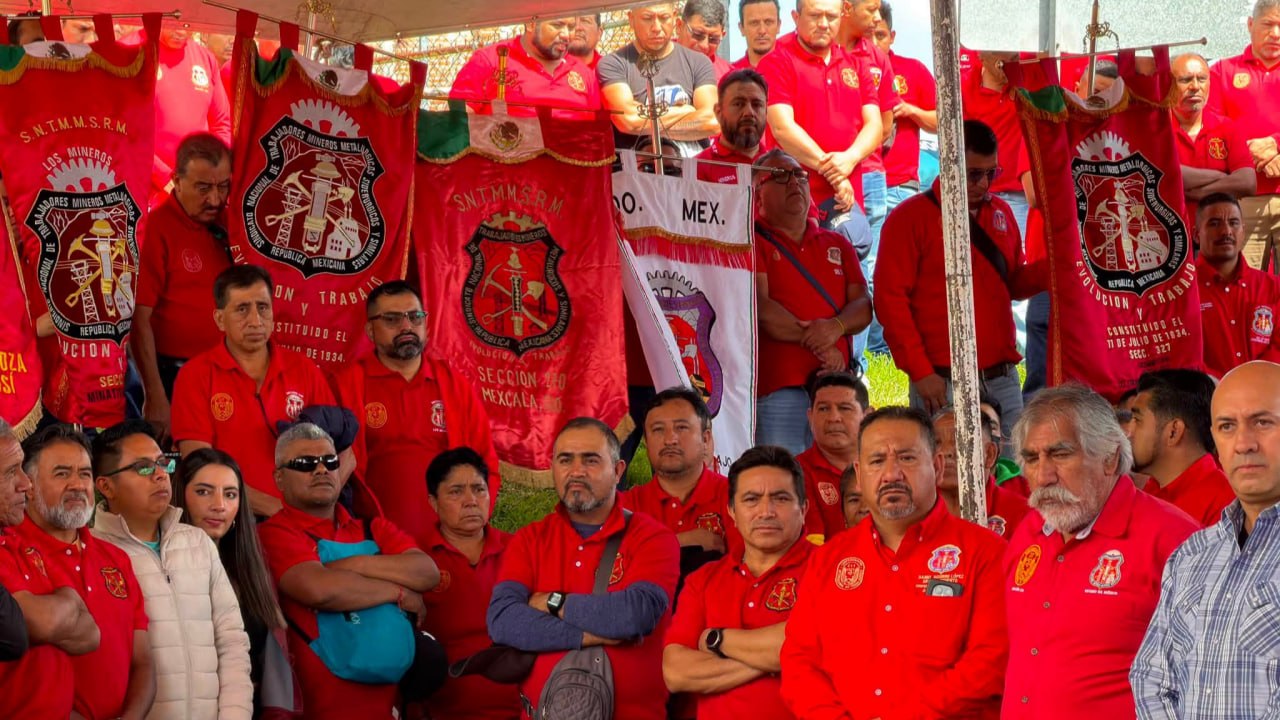
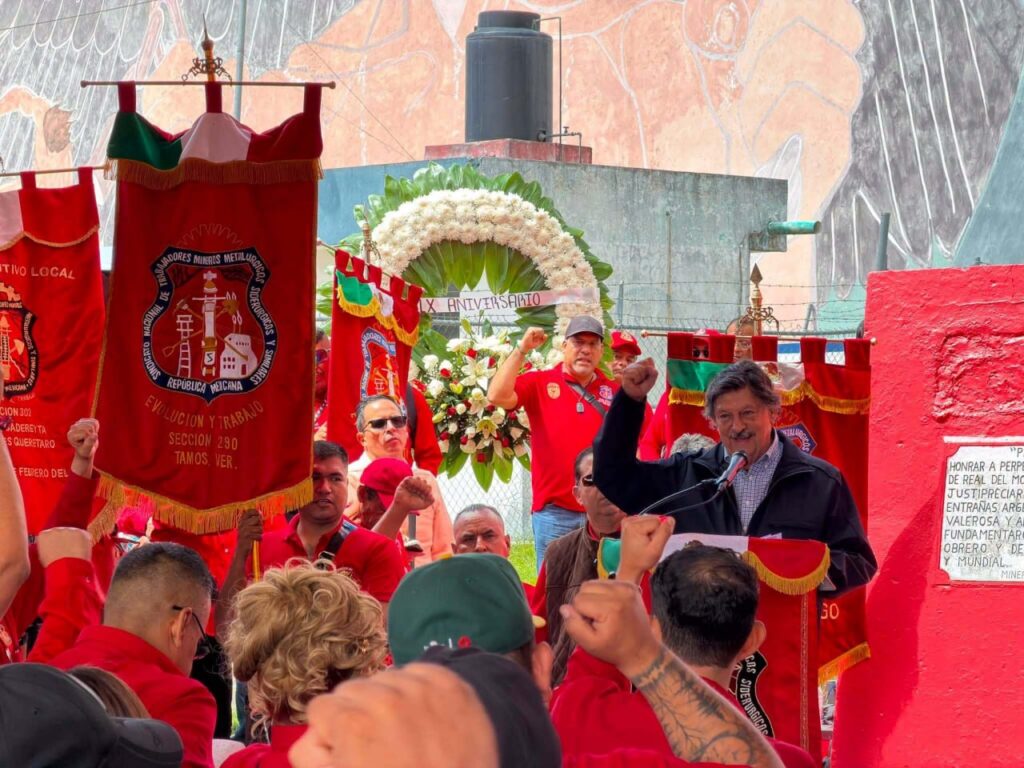
Workers in Mexico celebrated this strike last week, also stating:
Yesterday, we commemorated the 260th anniversary of the first strike in Latin America, led by the brave miners of Real del Monte in Hidalgo.
Today, more than ever, we must keep their legacy alive within our miners’ union, “Los Mineros,” as we continue to fight—with strength, unity, and solidarity—for the rights, dignity, and justice of miners and the entire working class.
Long live the miners of Mexico!
Long live the workers’ struggle!
Long live dignity and labor justice!

Be First to Comment